Featured Articles
- 12 Innovative Strategies to Design Outdoor Spaces that Enhance Mental Wellness and Cognitive Function
- Blending Nature and Nostalgia: Designing Outdoor Spaces Inspired by Forgotten Childhood Playgrounds
- Rewilding Urban Landscapes: Transforming Concrete Jungles into Biodiverse Outdoor Sanctuaries
- Rewilding Urban Spaces: Designing Outdoor Retreats Through Nature's Chaotic Beauty
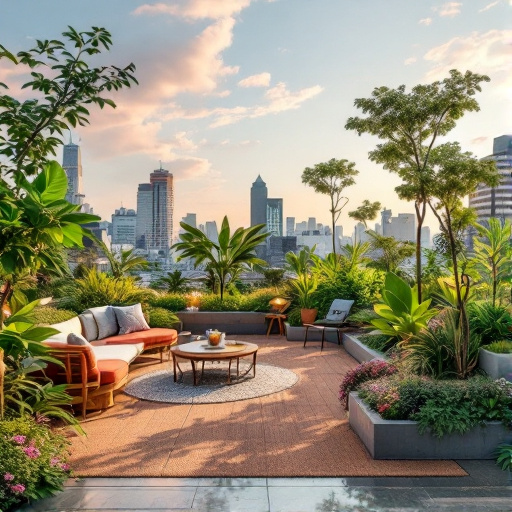
- Unconventional Outdoor Oasis: Transforming Urban Rooftops into Lush Green Retreats for Mindful Living
Blending Nature and Nostalgia: Designing Outdoor Spaces Inspired by Forgotten Childhood Playgrounds
Blending Nature and Nostalgia: Designing Outdoor Spaces Inspired by Forgotten Childhood Playgrounds
In a society increasingly dominated by digital distractions, there’s a nostalgic yearning to reconnect with nature and simpler times, especially those spent in childhood playgrounds. This article explores the concept of blending nature with nostalgia in outdoor space design, drawing inspiration from forgotten playgrounds, and how these designs can satisfy the needs of various age groups.
The Allure of Childhood Spaces
As we grow older, it’s easy to forget the whimsical joy found in the telltale creaks of a swing set or the thrilling adrenaline rush of a slide. According to a 2021 survey by the National Association of Playground Equipment Manufacturers, 70% of adults reported feeling a deep sense of nostalgia when they encountered playgrounds, highlighting their enduring impact on our collective consciousness.
Nature as a Playground
Imagine a retreat where the air smells of fresh pine, where laughter mingles with the rustle of leaves. Combining nature and nostalgia doesn’t just create a space of memory; it fosters interaction and connection with the environment. Nature serves as a perfect backdrop, providing a canvas that inspires creativity. A 2020 study published in the Journal of Environmental Psychology indicated that outdoor spaces, particularly those infused with nature, can lead to a 25% increase in well-being and happiness. Imagine a place where children can run freely while adults find solace in these whims of old.
Playground Elements Reimagined
Let’s take a stroll down memory lane and consider elements that defined our childhood playgrounds. Traditional swings, merry-go-rounds, and slides could be recast with organic materials, blending seamlessly into the landscape. For example, using thick ropes and wooden structures mimics the natural architectural beauty of trees while providing modern safety standards.
One such case study is the transformation of the South Nepean Park in Ottawa, which has integrated natural elements like logs, boulders, and native plants into its playground design. This innovative approach has not only created a more visually appealing space but also one that encourages imaginative play, embodying the spirit of forgotten playgrounds while promoting ecological responsibility.
Nostalgia in Architecture
What makes nostalgia powerful in design? It’s the recognition of shared experiences. As an 18-year-old writer, my perspective is steeped in the digital age, yet my summer afternoons spent at the local playground have made me acutely aware of how stark our outdoor spaces have become. Researchers agree—according to a study by the Harvard Graduate School of Design, spaces that evoke memories can significantly increase emotional engagement and interaction among users.
Case Studies: Successful Combinations of Nostalgia and Nature
Look no further than the *Serra do Bouro Playground* in Portugal, for an example of a brilliant fusion of architecture and the natural landscape. Designed by architect Pedro Dias, the playground features undulating hills made from soil taken from the site’s topography. The design encourages climbing, hiding, and exploring, reminiscent of those childhood adventures where the rules were simple, and the terrain was limitless.
In a surprising twist, another case study in Malmö, Sweden, utilized recycled shipping containers to create a play space that mirrors the ingenuity and resourcefulness often found in playgrounds of yesteryears. Instead of simply focusing on high-tech play structures, the architects created a colorful environment bursting with creative opportunities, making it a community hub.
Community Involvement in Design
Designing these spaces requires more than creativity; it calls for community engagement. Surveys conducted by the Institute for Outdoor Recreation and Tourism show that communities that involve citizens in the design process experience 40% higher satisfaction rates of public spaces. Town hall meetings, workshops, and design charrettes allow the public’s memories of play to be cultivated into the final project.
Blending the Generations
As a design enthusiast in my 30s, I often fantasize about creating spaces that encourage intergenerational interaction—places where grandparents can relive their childhood as they watch grandchildren swing and play, side by side. A study by the American Society on Aging reported that intergenerational approaches in public parks reduce social isolation among seniors by 30% while increasing youth engagement in their communities by 15%.
Feature Areas for Multi-Generational Appeal
Design aspects to consider include picnic areas equipped with wellness-focused amenities, community gardens that pull in grandparents and children alike, and shaded lounging spots where people can share stories under the trees, much like how past generations gathered. By combining these components while employing traditional playground elements, a park could be a place fostering community ties and shared experiences across ages.
Creating a Playful Experience
It's essential to remember: spaces should be naturally inviting but also address the need for imaginative play among diverse age groups. Slide down a twisty slide, traverse a challenging wooden course, or scoop dirt from an old sandbox; all these actions yield rich life lessons. Successful playgrounds of tomorrow will offer educational components that allow children to learn about ecosystems while they play—perfect for those curious minds yearning for interaction.
Incorporating Sustainable Practices
Another crucial element in designing modern outdoor spaces is sustainability. A report by the World Economic Forum suggests that parks which prioritize sustainable practices receive community support by up to 35%. The more local resources are utilized and the less synthetic materials are employed, the closer we draw to rejuvenating the landscape we once loved when we were children.
Nature-Based Solutions
Implementing nature-based solutions in playground design not only preserves our environment but creates spaces that naturally regulate temperature, manage water, and promote biodiversity. Permeable playground surfaces could replace concrete, absorbing rainwater while restoring natural water cycles rather than contributing to runoff. Incorporating green walls or natural climbing surfaces made of local wood can invoke not just imagination, but also a respect for the environment that our childhood playgrounds often lacked.
The Humor of Adult Playgrounds
Let’s not forget to chuckle a little. Yes, adults can have their playgrounds too! Imagine a wellness play area offering yoga swings alongside swing sets, or climbing walls with challenges—nature-inspired, of course. Creating spaces where adults can play with the same abandon they once did brings new life to public parks and can make for some amusing adult daycare moments. Consider this a remedy for ‘adulting’ fatigue!;
The Role of Technology
In our tech-centric world, how do we integrate it without losing the essence of nature and nostalgia? *Virtual Reality (VR)* installations can create immersive experiences for children and adults, allowing exploration of lost worlds and forgotten playgrounds without jeopardizing the natural setting. Studies suggest that these interactive experiences can enhance creativity and provide unique social platforms for shared enjoyment—giving new life to outdoor experiences.
Conclusion: Growing Towards a Harmonious Future
Designing outdoor spaces that harmoniously blend nature and nostalgia with innovative, sustainable practices is not just an architectural challenge; it is our ticket to a renewed sense of community and belonging. By reflecting on the playgrounds of the past and re-inventing them for modern needs, we can cultivate spaces that welcome everyone, regardless of age, to share joy, laughter, and memories that bridge generations. As we journey forward into this era of design, let us dream of spaces that inspire and connect us all, igniting the playful spirit within.
Related Articles