Featured Articles
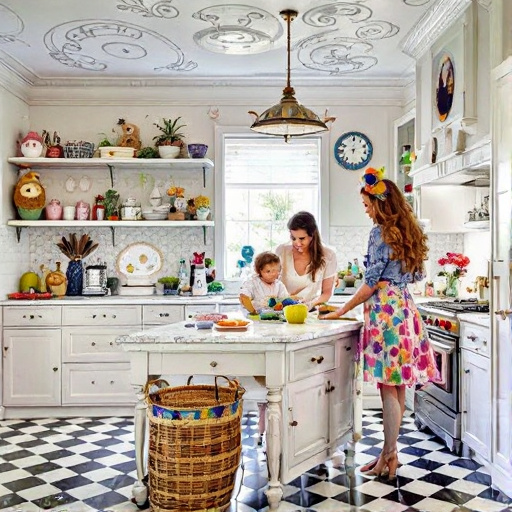
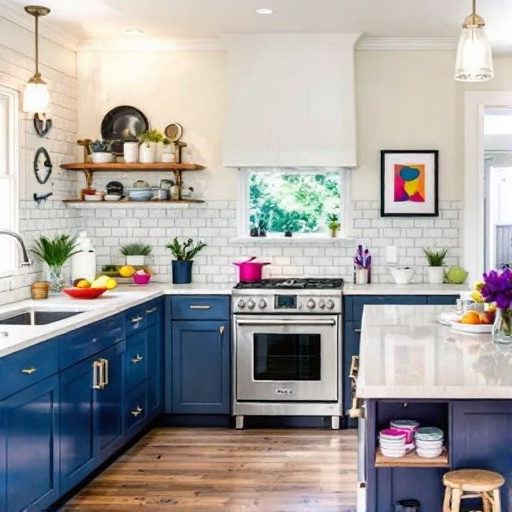
- Cooking in Color: How Bold Color Palettes Are Revolutionizing Kitchen Design Trends
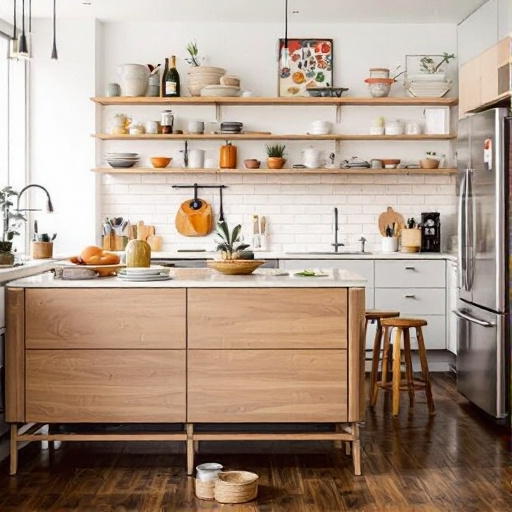
- "Culinary Minimalism: The Rise of 'Invisible Kitchens' in Modern Home Design"
- Revolutionizing Small Spaces: The Art of Multi-Functional Kitchen Furnishings You Didn't Know You Needed
- The Hidden Impact of Kitchen Design on Mental Wellness: A Revolutionary Perspective
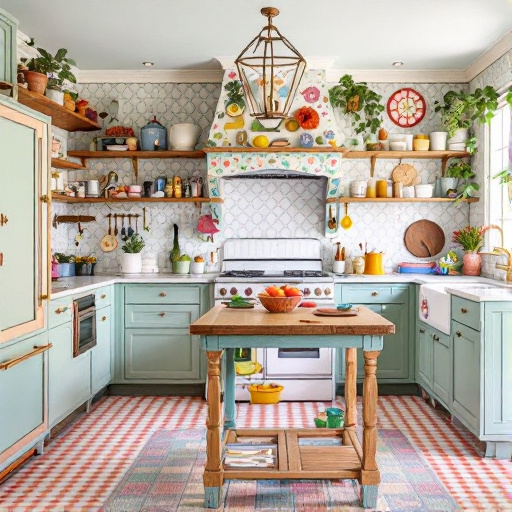
- The Rise of Retro-Futurism: Transforming Kitchen Design with Nostalgic Futuristic Aesthetics
The Hidden Impact of Kitchen Design on Mental Wellness: A Revolutionary Perspective
The Hidden Impact of Kitchen Design on Mental Wellness: A Revolutionary Perspective
The design of our kitchens goes far beyond aesthetics; it profoundly influences our mental wellness, emotional state, and social interactions. From color choices and layouts to the incorporation of natural elements, exploring these aspects can revolutionize how we perceive our daily lives within this vital space.
The Emotional Heart of the Home
Imagine stepping into a kitchen filled with sunlight, the aroma of fresh herbs, and a layout that encourages conversation. This isn’t just a pleasant scene; it underscores the psychological impact of kitchen design. A study by the American Psychological Association indicates that open floor plans, including kitchens, promote social interaction, which can significantly elevate mood and well-being. When kitchens are designed thoughtfully, they become gathering spots where families bond, children learn, and friends connect.
Color Psychology: More Than Just Paint
What color is your kitchen? Believe it or not, that choice can deeply influence your mood. According to color psychology studies, colors such as yellow evoke feelings of happiness and warmth, while shades of blue can promote calmness and tranquility. In a survey conducted by the National Kitchen and Bath Association (NKBA), homeowners who painted their kitchens in softer shades reported reduced stress levels and a heightened sense of relaxation when cooking and entertaining. So, next time you choose kitchen colors, think beyond the visual appeal—consider the impact on your emotional health.
A Case Study: The Power of Natural Light
Take a cue from a popular case study involving a family in Seattle who remodeled their cramped kitchen into a sun-drenched space with large windows and skylights. The family reported not only increased satisfaction with their home but also a noticeable lift in their day-to-day mood. Natural light has been linked to increased serotonin levels, which in turn can play a crucial role in reducing anxiety and depression. A kitchen where sunlight pours in offers a continual reminder of the outside world, enhancing cognitive function and creative cooking too.
Functionality and Flow
Consider the flow of your kitchen—can you easily access necessary items while cooking? The layout of your kitchen significantly affects not just your efficiency but also your overall mental well-being. A poorly designed space can lead to frustration, stress, and even anxiety. According to the NKBA, 67% of homeowners in a recent survey claimed that an efficient kitchen layout fostered a better cooking experience, which in turn contributed to joyful family meals and reduced escalations during cooking times.
Social Spaces: The Role of Design in Gatherings
Picture this: You have guests over, but your kitchen design feels restrictive, and instead of a convivial atmosphere, there’s stress bubbling under the surface. Open concepts and breakfast bars create inviting social environments. A well-designed kitchen encourages conversation, as it’s often the epicenter of family interaction. According to a survey by Houzz, 85% of homeowners reported that their kitchens had become their primary gathering space, proving that design choices have a profound effect on social dynamics.
Zen and the Art of Kitchen Maintenance
Let’s be honest: clutter can create chaos in our minds. A cluttered kitchen can lead to a cluttered mind, and nobody wants that! Keeping your kitchen organized should be a design focus—think about hidden storage solutions or minimalistic designs that reduce visual clutter. A cleaner kitchen can also lead to improved mental clarity, focus, and overall wellness.
Elements of Nature: Bringing the Outdoors In
One of the most refreshing trends in kitchen design is the incorporation of nature. Have you ever noticed how good you feel while preparing a meal with a potted herb garden next to you? Biophilic design—an approach that connects people to nature—has shown promise in numerous studies. Research published in *Journal of Environmental Psychology* indicates that incorporating elements like plants and natural materials positively impacts mental health, improving mood and reducing stress levels. Simple touches such as cactus pots or green walls can breathe life into an otherwise sterile space.
Storage Solutions: The Unsung Heroes
Here’s a neat little statistic to consider: A well-organized kitchen not only looks appealing but also saves time. While it might seem trivial, the way you store kitchen items affects your mental state. Tools and ingredients that are difficult to find can lead to frustration and stress. Opting for clever storage solutions offers peace of mind and a smoother cooking experience. Furthermore, less time searching for a missing spatula or rogue carrot means more quality time spent with loved ones!
Coping Mechanism: Cooking for Courage
Cooking can be therapeutic, but it’s often easier to whip up a favorite dish in a kitchen that feels good. Research shows that engaging in cooking can significantly ease stress—as long as the environment promotes comfort. In a leading qualitative study by the *International Journal of Culinary Arts and Sciences*, participants reported that cooking in a well-designed kitchen became a favorite stress-relief mechanism, fostering creativity and mindfulness in their routines.
Lessons from the Pandemic: Rethinking Kitchen Spaces
The COVID-19 pandemic put a spotlight on our living spaces, revealing the significance of having a functional and uplifting kitchen. Many families adapted by creating multifunctional kitchens accommodating cooking, homeschooling, and even remote work. According to the “State of the Kitchen” report by the NKBA in 2021, 93% of respondents felt that their kitchens were now a more integral part of their living space. It’s incredible how we had to rethink and reassign value to our kitchens during isolation, emphasizing their role in our mental wellness.
Combining Technology and Design: The Future of Cooking Spaces
With the increasing integration of technology in home design, smart kitchens are emerging as an exciting frontier. The implementation of smart appliances can enhance convenience and efficiency, ultimately reducing stress. For example, using a smart oven could make multitasking simpler, giving cooks more brain space to create and enjoy. A recent survey found that 74% of tech-savvy homeowners felt that kitchen technology increased their cooking enjoyment and reduced overall kitchen-related stress.
International Perspectives on Kitchen Design and Wellness
Our approach to kitchen wellness isn’t limited to one culture—many global practices can contribute to our understanding. In Japan, “Kakebo” is a method of mindful budgeting that often inspires the organization of a kitchen. This practice has been linked to reduced anxiety about financial stressors through better food management. Additionally, in Mediterranean cultures, communal cooking is a cherished practice that creates strong emotional bonds. Shared kitchen experiences can cultivate happiness through connection—stirring a pot is, after all, sometimes even more about the company than the food.
A Call to Action: Reimagine Your Kitchen
Are you ready to elevate your kitchen from merely functional to a sanctuary of mental wellness? Whether you’re ready to embrace major renovations or small adjustments, now is the time to consult with design professionals or simply consider some DIY fixes. Begin by decluttering, choosing colors wisely, and ensuring your layout encourages interaction and joy. Cultivating a positive kitchen environment can lead to an improved quality of life and encouragement of deep, lasting connections.
Conclusion: The Kitchen as a Catalyst for Change
In the end, the kitchen is not just a place for meal preparation; it’s a powerful influence on our mental well-being. By understanding the interplay between design and mental health, we can create spaces that nurture creativity, strengthen connections, and foster emotional resilience. Imagine entering a kitchen that calms you after a long day or inspires your culinary experiments; this is the revolution we need to embrace. Now, go ahead, sprinkle some love into your kitchen design, and watch your wellness thrive!
Related Articles