Featured Articles
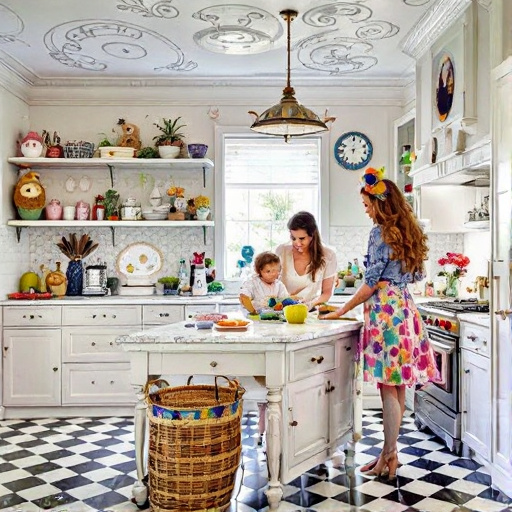
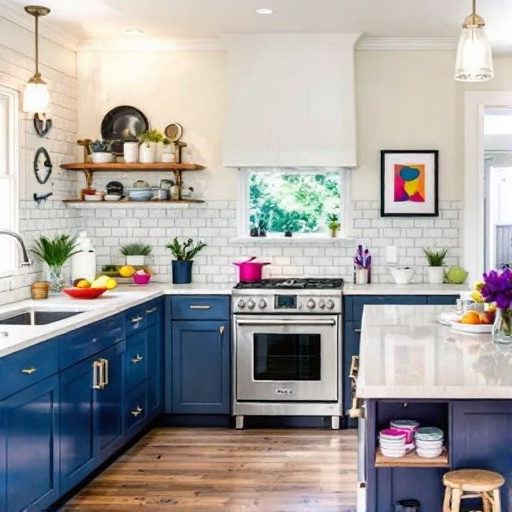
- Cooking in Color: How Bold Color Palettes Are Revolutionizing Kitchen Design Trends
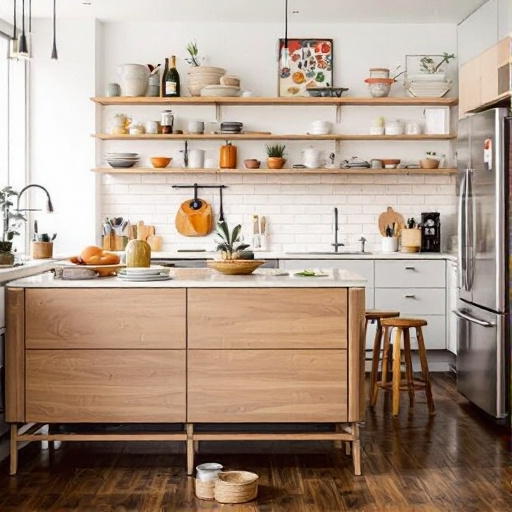
- "Culinary Minimalism: The Rise of 'Invisible Kitchens' in Modern Home Design"
- Revolutionizing Small Spaces: The Art of Multi-Functional Kitchen Furnishings You Didn't Know You Needed
- The Hidden Impact of Kitchen Design on Mental Wellness: A Revolutionary Perspective
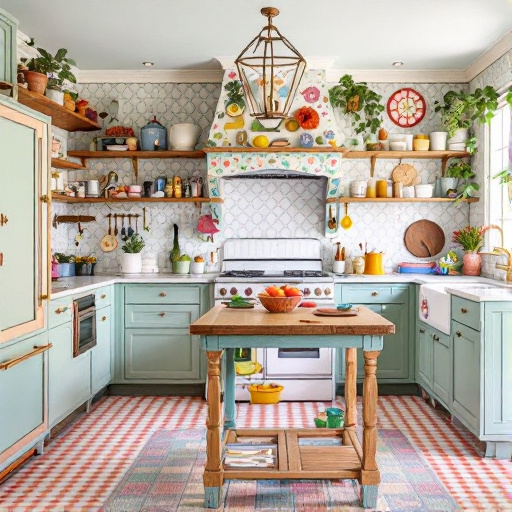
- The Rise of Retro-Futurism: Transforming Kitchen Design with Nostalgic Futuristic Aesthetics
The Rise of Retro-Futurism: Transforming Kitchen Design with Nostalgic Futuristic Aesthetics
The Rise of Retro-Futurism: Transforming Kitchen Design with Nostalgic Futuristic Aesthetics
The rise of retro-futurism in kitchen design marries nostalgia with imaginative elements from the past, creating spaces that celebrate both history and innovation. This article explores how this aesthetic is reshaping kitchen design through various inspirations and techniques, drawing in everyone from casual home cooks to professional chefs.
The Core of Retro-Futurism
Retro-futurism blends past design styles with futuristic ideas, giving spaces an eclectic vibe that resonates with a wide range of people. Originating in the 1920s as a way to visualize what the future might look like, retro-futurism invites us to fall in love with the quirks of yesteryears while pondering the possibilities of tomorrow.
Why Kitchens? The Heart of the Home
Many argue that the kitchen is the heart of any home, where familial bonds are strengthened over shared meals. According to a recent survey by the National Kitchen and Bath Association, over 85% of homeowners believe that an inviting kitchen design improves their quality of life, making it one of the most important spaces to redesign with intent and creativity.
A Dash of Functional Nostalgia
Incorporating vintage appliances, such as retro-inspired refrigerators and stoves, not only pays homage to designs of the past but also brings functionality to the forefront. Have you ever seen a pastel-colored refrigerator that resembles something from a 1950s diner? These playful designs can evoke a sense of nostalgia while being surprisingly energy-efficient, catering to modern needs while harking back to simpler times.
Case Study: A Journey Through Time
Take, for example, the kitchen of *The Jetsons*, an iconic representation of mid-century optimism about technology. Plenty of real-life individuals have come to embrace these ideas; one homeowner transformed her 1980s dark wood kitchen by swapping out the cabinets for a lighter palette, accessorized with ‘space-age’ dinnerware and a geometric backsplash reminiscent of that show. People love the idea of combining the past with their envisioned future, resulting in kitchens that spark joy and creativity.
Material Matters
The textures and materials used in retro-futuristic kitchen design can greatly influence the overall atmosphere. From glossy finishes reminiscent of the 1960s to the metallic grates and chrome details of the space age, the marriage of materials often embodies a playful tension between old and new. According to design experts, using a combination of wood, ceramic, and metal can create a rich textural experience that keeps the design engaging.
Choosing the Right Color Palette
Colors also play a critical role in setting the mood of a retro-futuristic kitchen. Vivid palette choices like teal, mustard yellow, and bubblegum pink can evoke playful energy while complementing the vintage elements. These hues spark happiness and creativity, which is essential in a space where culinary wonders unfold.
Functional Elements: Making It Work
One might wonder how practical it is to incorporate such distinct aesthetics into purposeful design. Fear not! Many modern retro-futuristic elements prioritize functionality—think of the rounded-edge countertops that are safe for kids or built-in organizers for workspace efficiency. Combining form and function, designers work tirelessly to create visually stunning spaces without sacrificing usability.
Cultural Influences: A Global Perspective
Different cultures offer unique interpretations of retro-futurism, adding layers to the aesthetic. For instance, Japanese aesthetics, with their minimalist approach, blend beautifully with retro elements by incorporating sleek lines and natural wood tones. This fusion has emerged in various homes across industrialized nations, showcasing how global influences can enrich local designs.
Statistics Reveal the Trend
According to a study by the American Institute of Architects, retro-inspired kitchens saw a nearly 25% increase in popularity over the last five years. As younger generations—especially millennials—seek to create personalized spaces in their homes, it's clear that nostalgia plays a significant role in attracting homeowners to this aesthetic.
Creating Your Dream Retro-Futuristic Kitchen
Feeling inspired? Here are some tips to infuse that retro-futuristic flair into your kitchen:
- Research: Dive into design magazines or platforms like Pinterest for ideas.
- Materials: Choose materials that evoke nostalgia but are also functional, such as reclaimed wood or modern tile patterns.
- Appliances: Invest in retro-style appliances that blend function with aesthetics.
- Accessorize: Use dishware, small appliances, and décor that scream nostalgia.
The Community Connection
Retro-futurism fosters community connections as homeowners share their designs and stories online. Social media platforms have amplified this trend, allowing enthusiasts to connect, share, and inspire one another through posts showcasing individual interpretations. Blogs, podcasts, and hashtags like #RetroKitchenDreams have created vibrant communities where everyone from hobbyists to professionals gather to exchange tips, inspirations, and even pitfalls in their designs.
A Humorous Take: When Appliances Go Retro!
Imagine hosting a dinner party where your stove tells guests, “Hey, did you miss me in the 70s?” while your ultra-modern dishwasher chimes in, “I’m just here for the clean-up.” That delightful banter between vintage charm and contemporary efficiency can add a humorous touch to your kitchen—a conversation starter before the dinner even begins!
Future Outlook: Continuing the Retro-Futuristic Trend
As we look ahead, it's intriguing to imagine how retro-futurism will evolve. The technological advances that arise over the next decade will undoubtedly find their way into kitchen design, allowing us to dream bigger and bolder. Virtual reality may assist homeowners in visualizing their future kitchens, potentially eradicating design blunders before they happen! This combination of innovative technology and nostalgic aesthetics promises to keep retro-futurism alive and thriving for years to come.
Conclusion
The rise of retro-futurism in kitchen design has transformed how we perceive our cooking spaces, allowing us to cherish memories while paving the way for the potentials of the future. With its blend of nostalgic aesthetics and modern function, it invites all generations to re-imagine their cooking environments, making kitchens more than just a place for food preparation—they become statements of individuality in a rapidly changing world.
Related Articles