Featured Articles
- 9 Innovative Materials That Will Revolutionize Your Living Room Design in 2024
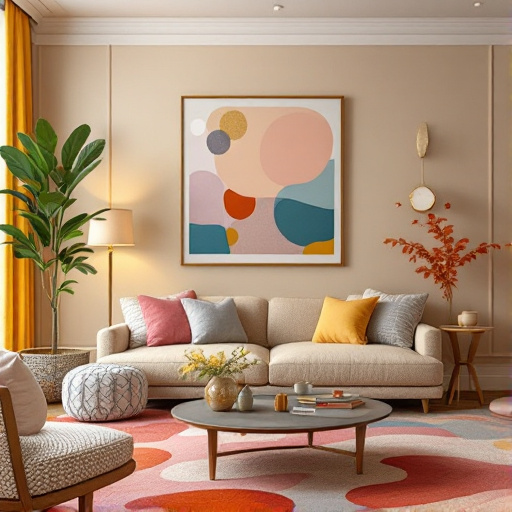
- Beyond Beige: Embracing Quirkiness in Living Room Color Schemes for a Bold New Look
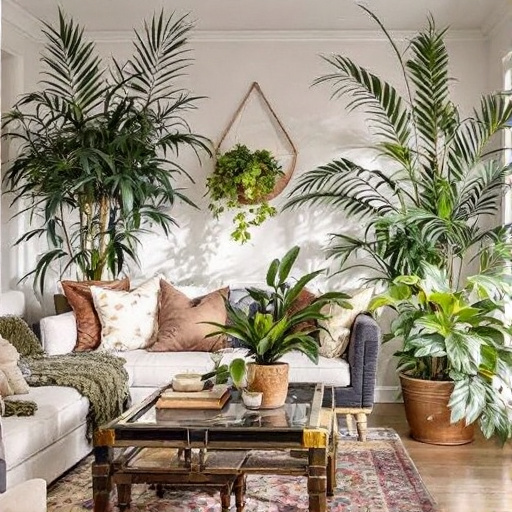
- "Blending Biophilia with Minimalism: The Counterintuitive Trend Transforming Living Room Spaces"
- "Curated Chaos: Embracing Organized Mess in Modern Living Room Design"
- Reviving Retro: Exploring the Unlikely Resurgence of 1970s Living Room Aesthetics in Modern Homes
9 Innovative Materials That Will Revolutionize Your Living Room Design in 2024
9 Innovative Materials That Will Revolutionize Your Living Room Design in 2024
9 Innovative Materials That Will Revolutionize Your Living Room Design in 2024
The living room is evolving from a simple gathering space into a showcase of innovation and style. As technology and sustainability continue to influence design, new materials are transforming the way we decorate and live in these central spaces. From eco-friendly composites to smart textiles, 2024 introduces groundbreaking options that marry function, aesthetics, and environmental responsibility.
This article explores nine innovative materials that promise to revolutionize your living room design. Each material not only enhances beauty and durability but also reflects current trends toward cleaner, smarter living environments. Whether you’re renovating or redecorating, these materials offer fresh inspiration to craft a modern, comfortable, and impactful living room.
Discover modern materials that are reshaping design norms and inviting new possibilities in creativity and sustainability. By integrating any of these nine materials, your living room can stay ahead of trends and become a true reflection of contemporary lifestyle values.
1. Recycled Ocean Plastics
Recycled ocean plastics represent a powerful blend of sustainability and innovation. Salvaged from marine environments, these plastics are transformed into durable panels, furniture, and decorative accents for the living room. Their use helps reduce ocean pollution while providing a unique material with varied textures and colors.
Designers are incorporating recycled ocean plastics into coffee tables, shelving units, and even upholstery components to add environmental consciousness without compromising style. Brands like Bureo have pioneered the creation of skateboards and furniture from discarded fishing nets, demonstrating practical applications of these materials.
Using recycled ocean plastics not only supports ecological efforts but also ensures your living room features conversation-starting elements. As this trend grows, expect more accessible and diverse options to emerge in 2024, making it easier than ever to blend environmental commitment with contemporary design.
2. Bio-Based Concrete
Bio-based concrete infuses traditional cement with organic additives such as algae or bacteria, improving the material’s sustainability and performance. This innovative concrete reduces carbon emissions compared to conventional mixes, aligning with greener building standards.
In living room design, bio-based concrete is ideal for accent walls, flooring, and customized furniture pieces. Its natural tones and textured surfaces add an earthy yet modern aesthetic, enhancing the space's architectural appeal. Additionally, bio-based concrete’s enhanced thermal properties contribute to better energy efficiency indoors.
Architects and designers are progressively adopting bio-based concrete for eco-friendly interiors, responding to consumer demand for sustainable and resilient materials. Its integration in living rooms invites natural beauty and environmental responsibility, making it a smart choice for forward-thinking homeowners.
3. Smart Glass Panels
Smart glass panels are technologically advanced materials that change transparency or color based on electrical input or sunlight exposure. These panels control natural light, privacy, and ambiance without heavy curtains or blinds, giving homeowners new freedom in living room aesthetics and function.
Incorporation of smart glass in windows, skylights, or room dividers creates dynamic spaces that adapt to different moods or times of day. Beyond aesthetics, they improve energy efficiency by controlling heat gain or loss, contributing to reduced utility costs and enhanced comfort.
With growing affordability, smart glass is gaining traction in residential design. Expect to see this trend accelerate in 2024 as integration with home automation systems becomes more seamless, making the living room a smarter, more responsive environment.
4. Cork Flooring and Accents
Cork, harvested sustainably from the bark of cork oak trees, is gaining popularity due to its renewable nature and versatile applications. Soft underfoot and naturally insulating, cork flooring transforms living rooms into cozy and eco-friendly havens.
Beyond flooring, cork is now appearing in wall panels, ceiling tiles, and decorative pieces. Its unique texture and warm tones complement various design styles, from minimalist to rustic. Additionally, cork naturally resists mold and pests, making it durable and low-maintenance.
The material’s carbon-negative lifecycle and renewability align closely with the growing consumer emphasis on green interior choices. In 2024, cork’s combination of comfort, style, and sustainability will inspire innovative living room transformations.
5. Mycelium-Based Composites
Mycelium, the root structure of fungi, is emerging as a revolutionary bio-material for furniture and decor. When grown into molds with agricultural waste, it forms lightweight, biodegradable composites that mimic wood or foam.
Living room pieces such as side tables, lamp bases, and decorative objects crafted from mycelium offer organic aesthetics with minimal environmental impact. These materials are fire-resistant and strong, expanding their practical uses in interiors.
As the world embraces circular economy principles, mycelium composites are becoming a symbol of sustainable innovation. Designers foresee this material gaining prominence in 2024 for its versatility and earth-friendly credentials.
6. Photoluminescent Paint
Photoluminescent paint absorbs and stores natural or artificial light, releasing it slowly to create a glowing effect in the dark. This paint introduces playful and practical design elements, from subtle pathways on floors to accent walls and artistic murals in living rooms.
Apart from its aesthetic charm, photoluminescent paint improves safety by providing gentle illumination during nighttime without electricity. It is also non-toxic and environmentally friendly, making it a desirable choice for family living spaces.
As creativity meets technology, expect photoluminescent paints to feature more widely in 2024 interiors. Combining lighting and decoration, they invite unique experiences and visual interest after sunset.
7. Transparent Wood Panels
Transparent wood is an innovation that modifies natural wood to become translucent while retaining strength and warmth. This material offers a striking alternative to glass with better insulation and a softer, organic appearance.
In living rooms, transparent wood panels serve as stunning windows, light diffusers, or partitions that diffuse natural light without harsh glare. They provide privacy while maintaining openness—a balance highly sought by modern homeowners.
The development of transparent wood aligns with efforts to produce sustainable, high-performance materials. In 2024, advancements in manufacturing will make this option more affordable and customizable, broadening its availability for residential interiors.
8. Recycled Textile Upholstery
Recycled textile upholstery transforms discarded fabrics into durable, comfortable coverings for sofas, chairs, and cushions. These textiles reduce landfill waste and often incorporate recycled fibers like polyester made from plastic bottles.
Designers leverage recycled textiles for their variety of patterns, colors, and textures, creating inviting and eco-conscious living room seating. Brands such as Patagonia and Ecovative have popularized sustainable fabric innovations, contributing to increased demand.
The growing awareness of textile waste’s environmental toll ensures recycled upholstery will gain momentum in 2024. By integrating these materials, homeowners can enjoy stylish furniture with a meaningful sustainability story.
9. Graphene-Enhanced Fabrics
Graphene, a single layer of carbon atoms arranged in a lattice, is revolutionizing fabric technology. When infused into textiles, graphene improves durability, thermal regulation, and antibacterial properties, ideal for high-use living room furniture.
Graphene-enhanced fabrics maintain comfort while resisting stains, odors, and wear, extending the life of upholstery. These materials empower designers to create long-lasting yet luxurious seating solutions suited to busy family lifestyles.
Though currently premium-priced, the penetration of graphene textiles in residential markets is expected to grow in 2024 as production costs decrease. Their combination of science and style promises to change furniture upholstery standards for the better.
In conclusion, the future of living room design shines bright with these innovative materials shaping both function and form. By embracing eco-conscious, technologically advanced, and aesthetically versatile options, homeowners can create spaces that truly reflect the values and vitality of today’s world.
Sources:
- Bureo (Recycled Ocean Plastics): https://bureo.co/
- Recent journal articles on bio-based concrete and sustainable materials manufacturing
- Industry reports on smart glass adoption and graphene textiles
Related Articles