Featured Articles
- 9 Innovative Materials That Will Revolutionize Your Living Room Design in 2024
- Beyond Beige: Embracing Quirkiness in Living Room Color Schemes for a Bold New Look
- "Blending Biophilia with Minimalism: The Counterintuitive Trend Transforming Living Room Spaces"
- "Curated Chaos: Embracing Organized Mess in Modern Living Room Design"
- Reviving Retro: Exploring the Unlikely Resurgence of 1970s Living Room Aesthetics in Modern Homes
"Blending Biophilia with Minimalism: The Counterintuitive Trend Transforming Living Room Spaces"
"Blending Biophilia with Minimalism: The Counterintuitive Trend Transforming Living Room Spaces"
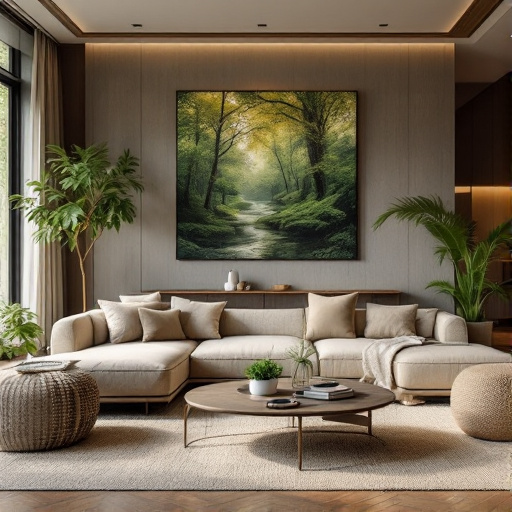
Blending biophilia with minimalism is not just a design choice; it's a lifestyle that nurtures human connection with nature while promoting simplicity and calmness in our living spaces. As we explore this counterintuitive trend transforming living room spaces, we will uncover the thoughtful integration of natural elements into minimalist designs, highlighting its profound benefits on mental well-being and home aesthetics.
The Allure of Minimalism
Minimalism has been a leading trend in interior design over the last decade, marked by its “less is more” philosophy. A fascinating study by the American Psychological Association reveals that cluttered environments can significantly elevate stress levels. When you remove unnecessary items, you're not just creating a visually pleasing space; you are also fostering mental clarity and emotional well-being.
Unpacking Biophilia
Let’s take a stroll down memory lane or as the Gen Z folks say, “let’s vibe.” Biophilia, a term popularized by American architect Edward O. Wilson in the 1980s, refers to the innate human inclination to connect with nature and other forms of life. Studies indicate that the mere presence of plants can boost productivity by up to 15%. Imagine being cocooned in a living room where simplicity reigns, yet fresh greenery pulses life into the space; it's a harmonious balance that revitalizes the soul.
Statistics & Case Studies
The integration of biophilic design with minimalism is backed by strong statistics. According to a study by the University of Queensland, having plants indoors can reduce stress by approximately 37% and significantly improve overall mood. In a case study of a renovation project in San Francisco, a small apartment was transformed with minimal yet impactful adjustments: a central living space painted in white tones, accented with a handful of carefully chosen plants. The homeowner reported a noticeable uplift in mood and an overall 20% increase in feelings of relaxation.
Unlikely Combinations Can Create Beautiful Spaces
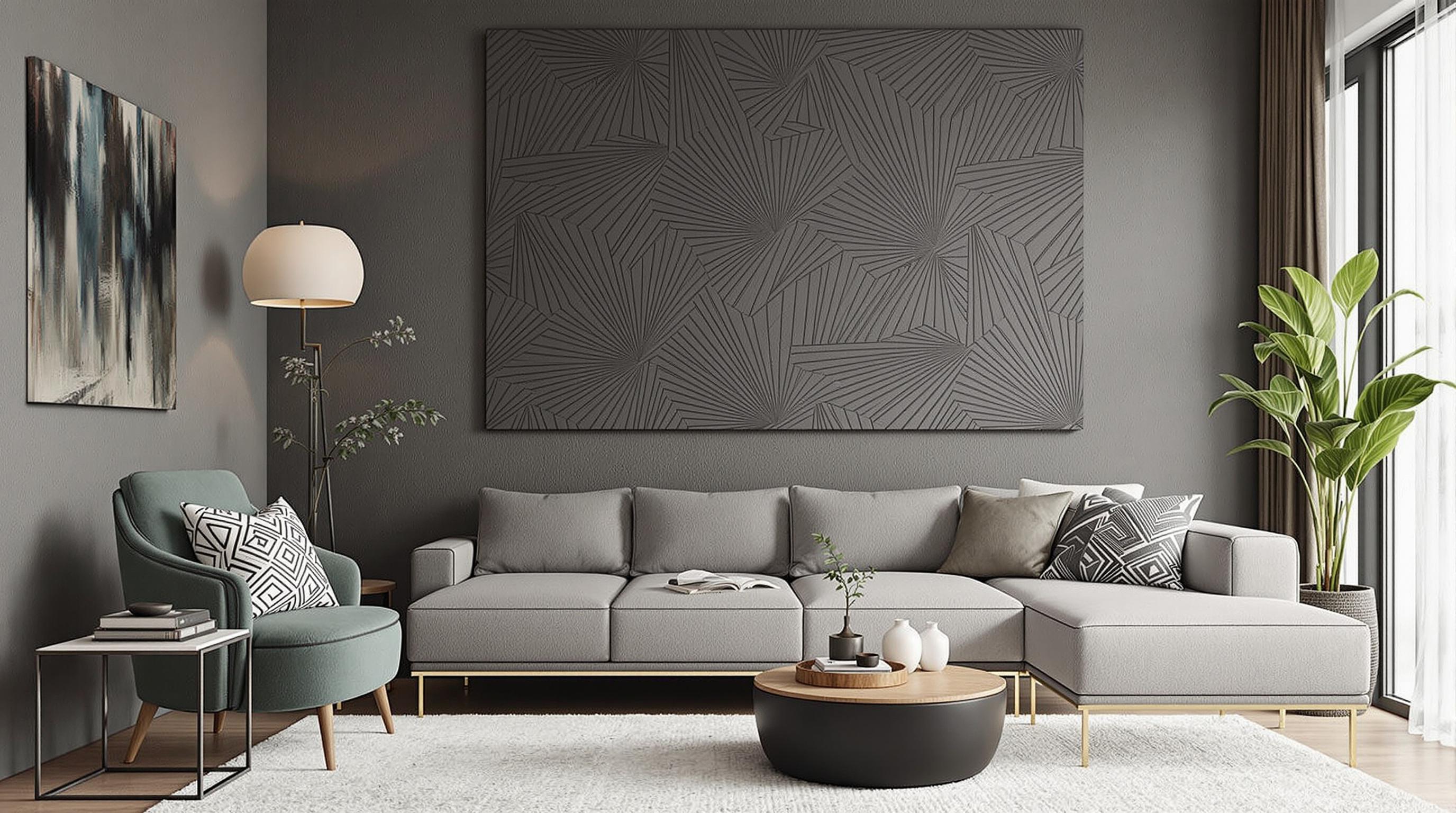
Picture this: a sleek, white couch punctuated by a minimalist coffee table made of reclaimed wood, surrounded by a gentle cacophony of green foliage cascading from the ceiling. The juxtaposition of modern design elements and natural touches creates a space that is not only pleasing to the eye but also nurturing to the spirit. By embracing biophilia, homeowners are crafting havens that feel calm and grounded, a significant boost in our often chaotic lives.
The Perfect Plants
Okay, let’s have some fun with this! Here’s a quick-and-easy plant guide for those who are new to the "plant parent" lifestyle. If you're in your younger years, opt for succulents (they're tough, just like your 7 PM plans). In contrast, if you're feeling nostalgic for the authenticity of your parents' home, peace lilies lend a gentle touch of class. Whichever route you take, these green buddies can become key players in the biophilic scene of your living room.
How to Arrange Your Space
When you’re thinking of arrangements, remember the key principles of minimalism—less is more. Keep the furniture layout open, with ample room for movement, and a carefully curated selection of plants. Visualize an inviting setup where your favorite armchair faces a striking view of a large potted palm. The goal is to allow nature to flow seamlessly through your decor, providing visual interest without overwhelming the senses.
Incorporating Natural Materials
Another engaging way to blend biophilia with minimalism is through the use of natural materials. Stone, wood, and clay can create a tactile experience that reminds us of the outdoors. Using furniture crafted from these materials reinforces a connection to the natural world—it evokes the scent of the forest or the warmth of a cozy cottage. A walnut coffee table, for instance, can become a statement piece that complements a minimalist aesthetic while echoing nature's beauty.
The Rise of Mindfulness in Home Design
Let’s pivot slightly to discuss something that resonates with all age groups: mindfulness. In a world where distractions multiply and attention spans dwindle—seriously, did you just scroll past ten memes?—designing a living room that supports mindfulness is essential. Pairing airy arrangements with organic materials encourages a tranquil environment conducive to relaxation and introspection.
Color Palette Matters
Colors play a vital role in creating a harmonious balance in your living room design. Opt for soft, neutral tones that echo the colors of nature—think light earth tones, soft greens, and sky blues. A well-thought-out color palette not only enhances the minimalistic look but also promotes the biophilic elements, creating a sanctuary where peace flourishes and stress diminishes.
The Emotional Benefits
Here’s a lighthearted trivia for you! A Swiss company, researchers at the ETH Zurich, conducted a survey showing that 86% of respondents felt a sense of well-being after spending just ten minutes outdoors. Now, imagine the impact of having nature indoors! Minimalism, combined with biophilic design, allows us to experience the benefits of nature right in our living rooms. The improved air quality from indoor plants and the calming sensations of natural elements can work wonders on our emotional health.
Architectural Elements
Your architecture can also embrace this blend. Large windows or glass doors that open up to gardens or patios can blur the lines between indoor and outdoor living. Skylights can enhance the benefits of sunlight in your space, illuminating both the room and your mood. An open-concept design that lets natural light flood in can illustrate the synergy between minimalism and biophilia, creating a vibrant, inviting living room.
Testimonials from Homeowners
Take it from Sarah, a 28-year-old city dweller: "After revamping my living room with a minimalist style and bringing in some plants, my entire home has transformed! It became my peaceful retreat after hectic workdays." Similarly, Robert, a retired school teacher at age 65, shared, "I initially dismissed the need for plants, but now, my house feels so alive, and I’m happier!" Their stories validate the transformation this design trend can elicit.
Practical Tips for Implementing Biophilic Minimalism
Ready to take the plunge? Start with these practical tips for implementing biophilic minimalism in your living room:
- Begin with decluttering: Go through your furniture and decor—what do you really love and need?
- Choose a couple of striking plants that suit your space and lifestyle. Succulents are perfect for beginners.
- Opt for furniture made of natural materials like wood and stone for a more organic feel.
- Utilize natural light as much as possible—open those curtains and let the sunshine in!
Looking Ahead: The Future of Home Design
As we consider the evolving trends in home design, blending biophilia and minimalism is the direction many are choosing to explore. Imagine future homes where technology meets nature, with smart homes integrating living green walls or intelligent lighting that mimics the sun’s natural patterns. This harmony not only reflects a deeper awareness of our relationship with the environment but also invites a more sustainable and joyful way of living.
Final Thoughts
While it may seem counterintuitive, the fusion of biophilia and minimalism is enriching modern living room designs, transforming how we interact with our spaces and ourselves. As you embrace this trend, remember that every plant, every chosen piece of furniture, and every aspect of light holds the potential to enhance your emotional and mental well-being. In a fast-paced world, creating an environment that resonates with simplicity and nature is nothing short of revolutionary.
Related Articles