Featured Articles
- 9 Innovative Materials That Will Revolutionize Your Living Room Design in 2024
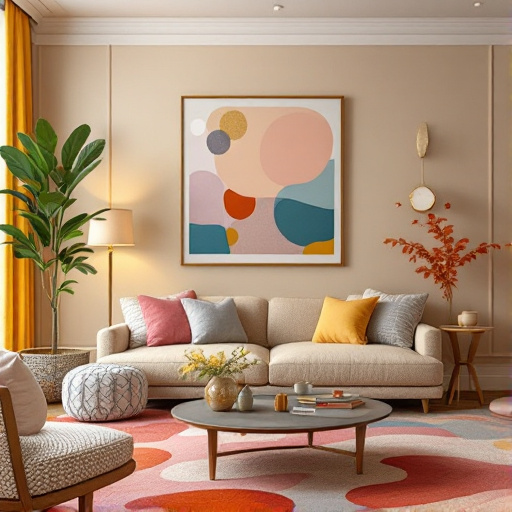
- Beyond Beige: Embracing Quirkiness in Living Room Color Schemes for a Bold New Look
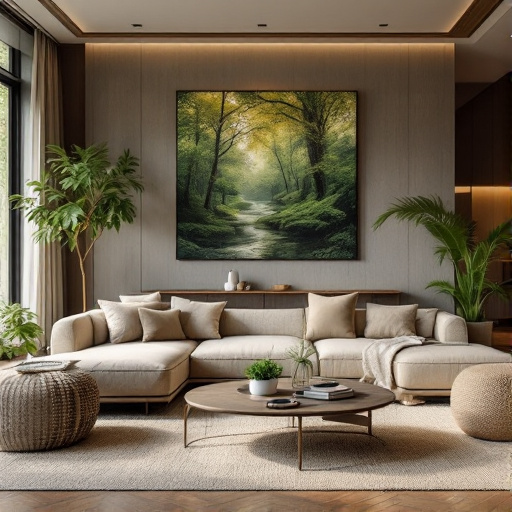
- "Blending Biophilia with Minimalism: The Counterintuitive Trend Transforming Living Room Spaces"
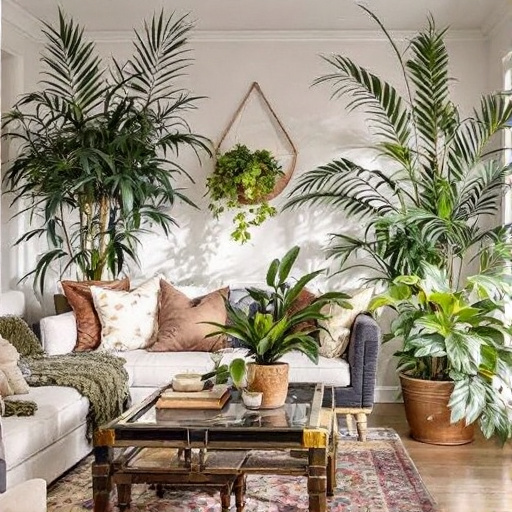
- "Curated Chaos: Embracing Organized Mess in Modern Living Room Design"
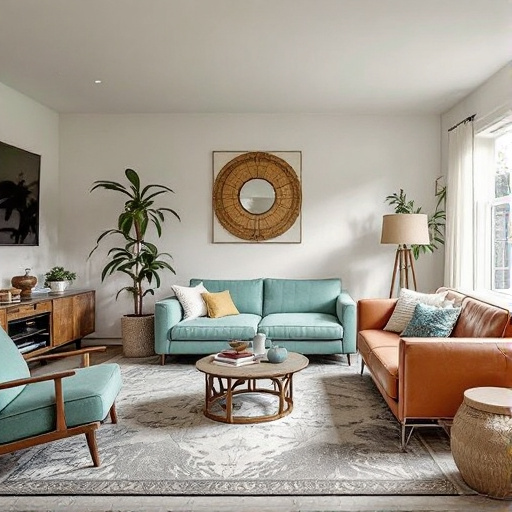
- Reviving Retro: Exploring the Unlikely Resurgence of 1970s Living Room Aesthetics in Modern Homes
Reviving Retro: Exploring the Unlikely Resurgence of 1970s Living Room Aesthetics in Modern Homes
Reviving Retro: Exploring the Unlikely Resurgence of 1970s Living Room Aesthetics in Modern Homes
The 1970s living room aesthetic, once dismissed as garish and outdated, is now enjoying a vibrant resurgence in modern homes. This article delves into the reasons behind this nostalgic revival, exploring its impact on contemporary design and how it reflects our evolving cultural landscape.
A Blast from the Past: Why Retro is In
At the heart of this revival is a broader trend of nostalgia. According to a study by the Harris Poll, 80% of millennials report having fond memories of past decades, with the 1970s frequently cited as a pinnacle of style and comfort (Harris Poll, 2021). The warmth of earth tones and the unique shapes of 70s furniture are not just reviving a style; they are inviting a comfort that many find lacking in today’s fast-paced, technology-driven world.
Inside the 70s Living Room
What defines the 1970s living room aesthetic? Think shag carpets, rattan furniture, bold floral prints, and a mix of textures that scream eclecticism. Brands like West Elm and Anthropologie have seized on this trend by incorporating 70s-inspired pieces into their collections, blending modern design with vintage charm.
The Psychology of Nostalgia
Ever experienced that tingling feeling of nostalgia flipping through your parents’ old photo albums? Psychologists suggest that nostalgia serves as a coping mechanism, helping individuals connect with cherished memories and navigate uncertainty in their lives. This emotional attachment translates beautifully into home design, where the 70s aesthetic offers a tangible reminder of simpler times.
Designing the 70s Space: Key Elements
If you’re contemplating a retro update to your living area, consider integrating some key elements from the era. The use of earthy color palettes—think deep oranges, browns, and greens—can create a warm, inviting space. Incorporate statement pieces like a low-slung sofa or a funky coffee table, but don’t forget the art! Large prints of abstract art or iconic concert posters can evoke that quintessential 70s vibe.
Case Study: The New Interior Design Preferences
Recent surveys have shown a marked preference among younger homeowners for vintage aesthetics. A 2022 report from Furniture Today indicates that the demand for vintage and retro furniture increased by 30% over the past three years. With the average age of first-time home buyers around 34, it’s clear that a younger generation is seeking those funky, nostalgic elements to decorate their spaces.
Reimagining Space: Blending Old and New
As interior designers embrace the eclectic nature of the 70s aesthetic, we see a shift towards personalized spaces that tell stories. By mixing 70s decor with contemporary pieces, homeowners can achieve a balance of nostalgia and modernity, creating environments that feel both fresh and inviting. The maverick spirit of the 70s lives on in designs that encourage self-expression and creativity.
Humor in the Trend
And let’s be honest: Who wouldn’t want to lounge on a kidney-shaped coffee table while sipping a glass of wine? There’s something utterly delightful about embracing a style that prioritizes comfort and leisure—like your living room is a portal to a more laid-back time.
Zero to Sixty in Style: The Transformation Journey
Just like that favorite outfit you pulled out of your parents’ closet, the journey from a sterile, modern space to a 70s-inspired living room can be accomplished in a series of well-planned steps. Start small with accessories—ashtrays turned planters, plush rugs that scream “don’t you dare step on me,” or oversized pillows in psychedelic prints. Before you know it, your living space will radiate that distinct blend of whimsy and sophistication.
The Role of Influencers and Social Media
In today's digital age, social media platforms like Instagram and Pinterest play a pivotal role in shaping design trends. Interior influencers harness the power of visuals to share their stunning 70s-inspired makeovers, encouraging followers to embrace this retro style. Hashtags such as #RetroDecor and #SeventiesStyle have gained traction, making it easier than ever for enthusiasts to find inspiration or share success stories.
Conclusion: Embracing the Vibe
As we look to the future of interior design, it’s clear that the 1970s living room aesthetic has found its place in modern homes. This resurgence represents more than a mere trend; it’s a cultural shift where comfort, nostalgia, and self-expression reign supreme. In embracing the spirit of the 70s, we reconnect with our pasts while paving the way for innovative and personalized living spaces.
Remember, designing with the 70s in mind doesn’t mean rejecting contemporary elements; rather, it invites a playful dialogue between styles. So whip out that retro lava lamp, arrange your collection of vintage vinyl, and let the revival begin! Whether you're 16 or 70, there’s something inherently captivating about returning to a time when life moved at a different pace—let’s make our living spaces reflect that charm.
Related Articles