Featured Articles
- 9 Innovative Materials That Will Revolutionize Your Living Room Design in 2024
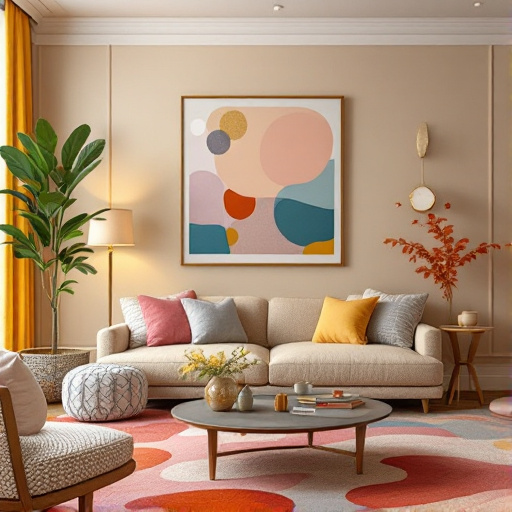
- Beyond Beige: Embracing Quirkiness in Living Room Color Schemes for a Bold New Look
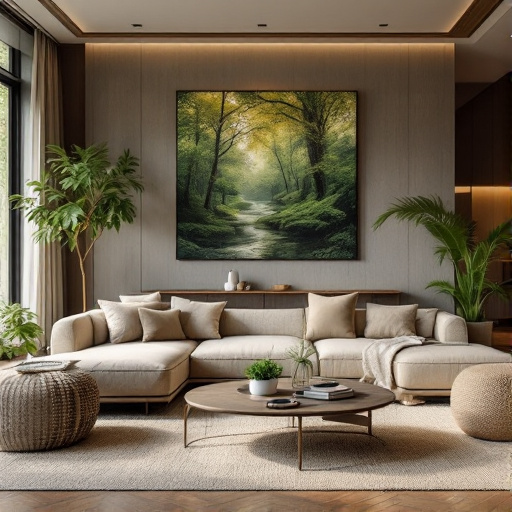
- "Blending Biophilia with Minimalism: The Counterintuitive Trend Transforming Living Room Spaces"
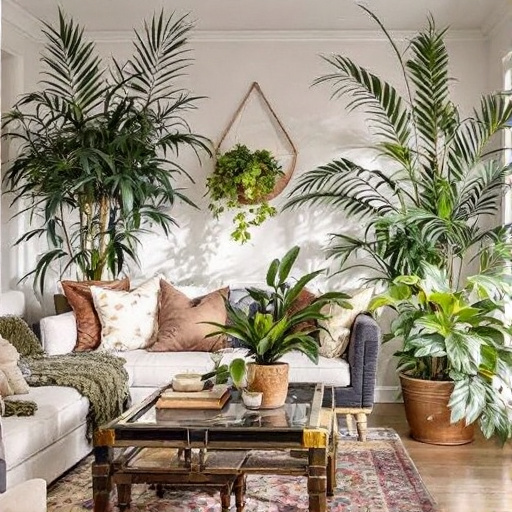
- "Curated Chaos: Embracing Organized Mess in Modern Living Room Design"
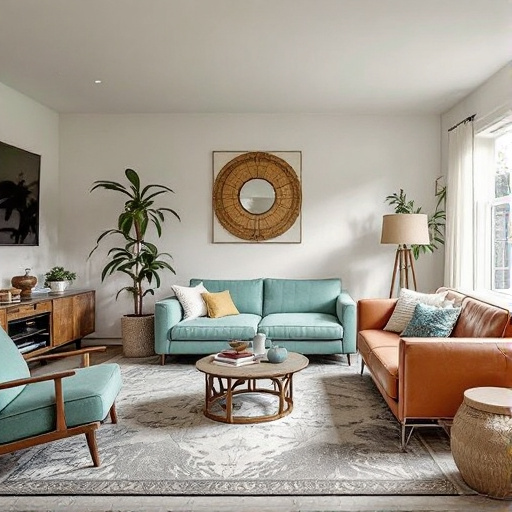
- Reviving Retro: Exploring the Unlikely Resurgence of 1970s Living Room Aesthetics in Modern Homes
"Unplugged Aesthetics: Embracing Minimalist Living Rooms in a Tech-Obsessed World"
"Unplugged Aesthetics: Embracing Minimalist Living Rooms in a Tech-Obsessed World"
In a world dominated by technology and constant connectivity, more people are embracing minimalist living rooms as a sanctuary from the chaos. This article explores the art of "Unplugged Aesthetics," showcasing how a decluttered space can lead to a more peaceful and fulfilling lifestyle.
Decluttering: The First Step Towards Minimalism
Have you ever felt like your living room is more of a tech graveyard than a cozy retreat? That pile of remote controls, charging cords, and devices just starts to scream “chaos,” doesn’t it? Minimalist living encourages removing excess clutter and unnecessary items, which, according to a survey by the National Association of Professional Organizers, can lead to an increase in productivity for 80% of participants. Decluttering is not just about organizing; it’s about curbing our obsession with things—especially tech.
The Rise of Minimalism in a Tech-Obsessed Culture
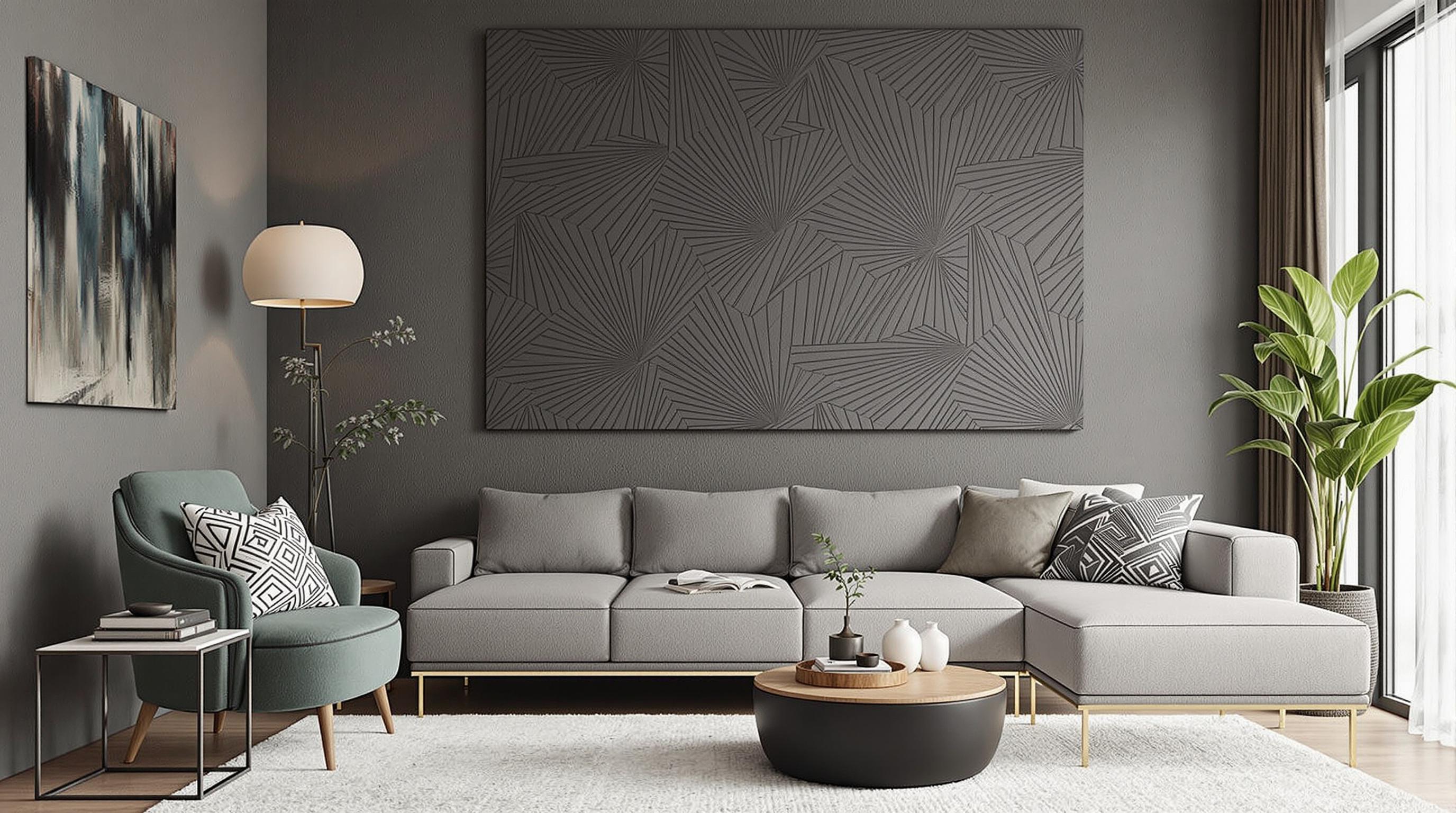
Imagine a serene room with soft pastel tones, sunlight streaming through large windows, and perhaps a single, well-placed plant—an oasis. As a 25-year-old writer who’s seen friends losing themselves in the whirlpool of endless notifications, I’ve learned that embracing minimalism can feel like a breath of fresh air. Studies have shown that a clean and organized environment can reduce stress and anxiety levels significantly (McMains, 2020). In this tech-obsessed world, where we’re inundated with information and stimulation, many are finding solace in the simplicity of minimalist design.
Unplugged Aesthetics: What Does It Mean?
Unplugged aesthetics is not just about your living space; it’s a way of life. It’s a philosophy that encourages us to disconnect from technology and reconnect with ourselves, our families, and our surroundings. Advocates of unplugged aesthetics emphasize that living simply allows us to focus on what really matters, creating spaces that foster genuine human connections. Ironically, as our gadgets have become more central to our lives, the longing for calm and clarity has surged.
Case Study: The Charmed Life of Minimalist Families
Take, for instance, the Garcia family, who live in a suburban neighborhood in California. When they decided to embrace a minimalist lifestyle, they transformed their packed living room into a peaceful haven, equipped with only a couch, a coffee table, and a few books. They found that family gatherings became more meaningful, conversations flowed more easily, and the family dynamics strengthened. “We realized that the less we relied on tech for entertainment, the more we engaged with one another,” Maria Garcia shared. A study by the Journal of Environmental Psychology supports their experience, revealing that environments with fewer distractions contribute significantly to meaningful interpersonal interactions.
Designing Your Minimalist Space
Now that we understand the philosophy of unplugged aesthetics, the next step is tackling how to design your minimalist living room. Start with a neutral color palette. Shades of white, beige, and soft grays help lend an airy feel to your space. You can then introduce pops of color through accent furniture or artwork that inspires. Remember: choosing materials can also enhance that minimalist vibe. Leather, soft cottons, or sustainable woods are all viable options too, creating a sense of warmth without overwhelming your senses.
The Psychology Behind Minimalism
You might wonder: why does minimalism resonate so deeply with so many? Psychologists suggest that our overwhelming digital lives have birthed a hunger for simplicity. According to a study published by the American Psychological Association, environments filled with gadgets can lead to decision fatigue—a phenomenon resulting from overwhelming choices, reducing our ability to make reasonable decisions. Simplifying our surroundings can lead to greater emotional clarity and wellbeing.
Making Room for Connection
Many minimalist advocates agree that eliminating tech can make room for deeper connections. Turning off your phone during family nights, limiting the use of streaming services, or even choosing to talk instead of texting can transform your living space from a tech hub to a gathering point. One simple living advocate, Karen Kingston, encourages people to design spaces that are primarily about experiences, not things. Her philosophy emphasizes that a home should reflect who you are and what you love—far beyond the gadgets cluttering your space.
Challenges on Your Minimalist Journey
But let’s be honest: going minimalist isn’t always rainbows and butterflies. The struggle is real! One of the most common challenges is the “sentimental hoarding” syndrome, where you find it tough to part with items laden with memories. To combat this, try the “One In, One Out” rule. Every time you buy a new item or receive a gift, consider letting go of something you no longer love or use.
Statistical Insights into Consumer Behaviors
With the rise of minimalism, it’s notable that the National Retail Federation reported a 24% drop in impulse buys among households that adopted minimalist principles in 2022. By breaking the habit of accumulating things, individuals and families rediscovered the joy of experiences over possessions. So rather than rushing to buy the newest gadget or trend, we can choose to invest in meaningful experiences—from game nights to road trips—fostering unforgettable memories.
Turning Off: The Power of Digital Detox
What about technology itself? The idea of “unplugging” isn’t just physical; it also requires intention around our digital usage. This could mean having tech-free weekends or designating a tech-free zone in your minimalist living room. The benefits? Increased mindfulness and presence during your family time. A 2018 study showed that families who practiced digital detoxing reported increased levels of happiness and enhanced connectivity, leading to improved relationships.
Creating a Tech-Free Zone
Establishing a tech-free zone can be an enjoyable yet enlightening project. Perhaps you could dedicate a comfortable chair by the window or a cozy corner nook where phones and laptops aren’t allowed. This space can be for reading, meditating, or simply enjoying a cup of tea, allowing you to escape from the tech-driven expectations of the outside world. I often reflect on the quietude of my corner nook, where thoughts can drift and creativity flows without the distraction of pings and notifications.
A Practical Approach to Implementing Minimalism
Ready to dive into minimalism? Here’s a quick practical approach:
- Assess: Begin by taking stock of your current living room. What items are simply taking up space? What brings you joy?
- Sort: Create three categories: keep, donate, and discard. Be ruthless!
- Redesign: Don’t just stop at decluttering—rethink the layout. Is everything functional? Does your space facilitate connection?
- Establish Limits: Make rules around what does or doesn’t belong in your space going forward.
The Heart of Minimalism: Intentional Living
Ultimately, minimalist living rooms are less about aesthetics and more about intentionality. It’s an opportunity to make conscious choices about what surrounds you and how that impacts your life. “I think of my living room as my mindset,” shared 32-year-old blogger Holly Maven. “When it’s cluttered, I feel cluttered. When it’s serene, I can truly breathe.”
The Future of Living Spaces
Looking forward, the integration of nature-inspired elements seems pertinent in many minimalist designs. “Biophilic design” is emerging as a significant trend, integrating natural materials, colors, and forms into indoor spaces. Research shows that environments reflecting nature can reduce stress and boost creativity (Kellert, 2018). As we minimize tech, we must also seek ways to enrich our spaces with elements that nurture rather than distract.
Conclusion: A Journey Worth Taking
As we navigate this hyper-connected world, embracing unplugged aesthetics and minimalist living spaces serves as an antidote to our chaotic surroundings. With each intentional decision to declutter, we carve out room not only for personal peace but also for deeper connections with family and friends. As the late Steve Jobs said, “Simplicity is the ultimate sophistication.” So why not make simplicity your aesthetic? Whether you’re 16 or 70, it’s never too late to discover the captivating charm of a minimalist living room.
Related Articles