Featured Articles
- 9 Innovative Materials That Will Revolutionize Your Living Room Design in 2024
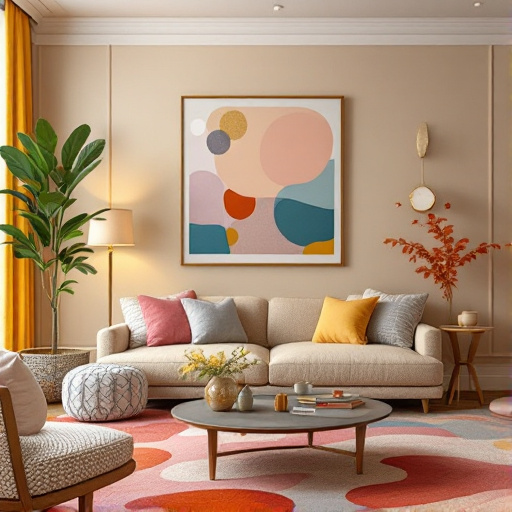
- Beyond Beige: Embracing Quirkiness in Living Room Color Schemes for a Bold New Look
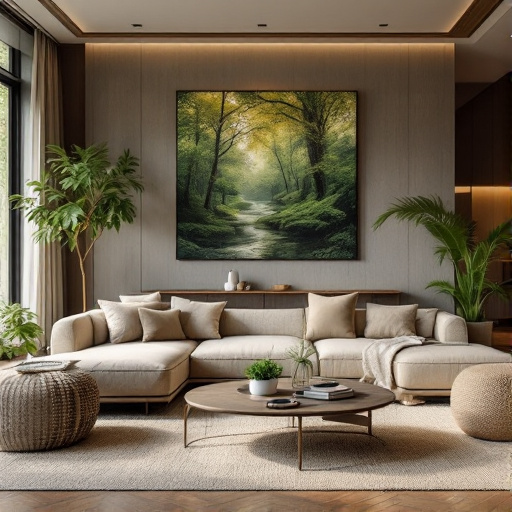
- "Blending Biophilia with Minimalism: The Counterintuitive Trend Transforming Living Room Spaces"
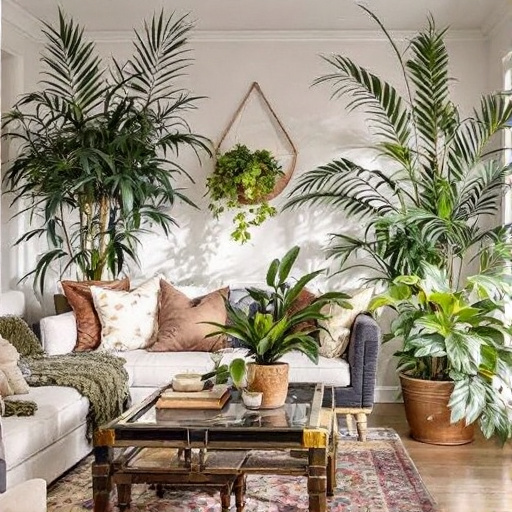
- "Curated Chaos: Embracing Organized Mess in Modern Living Room Design"
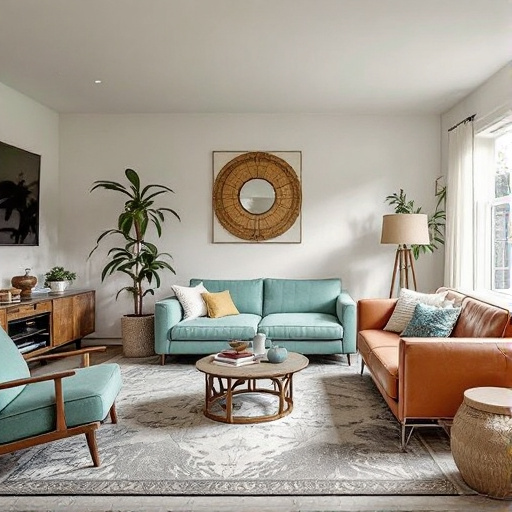
- Reviving Retro: Exploring the Unlikely Resurgence of 1970s Living Room Aesthetics in Modern Homes
When Minimalism Meets Maximalism: The Art of Eclectic Living Room Fusion
When Minimalism Meets Maximalism: The Art of Eclectic Living Room Fusion
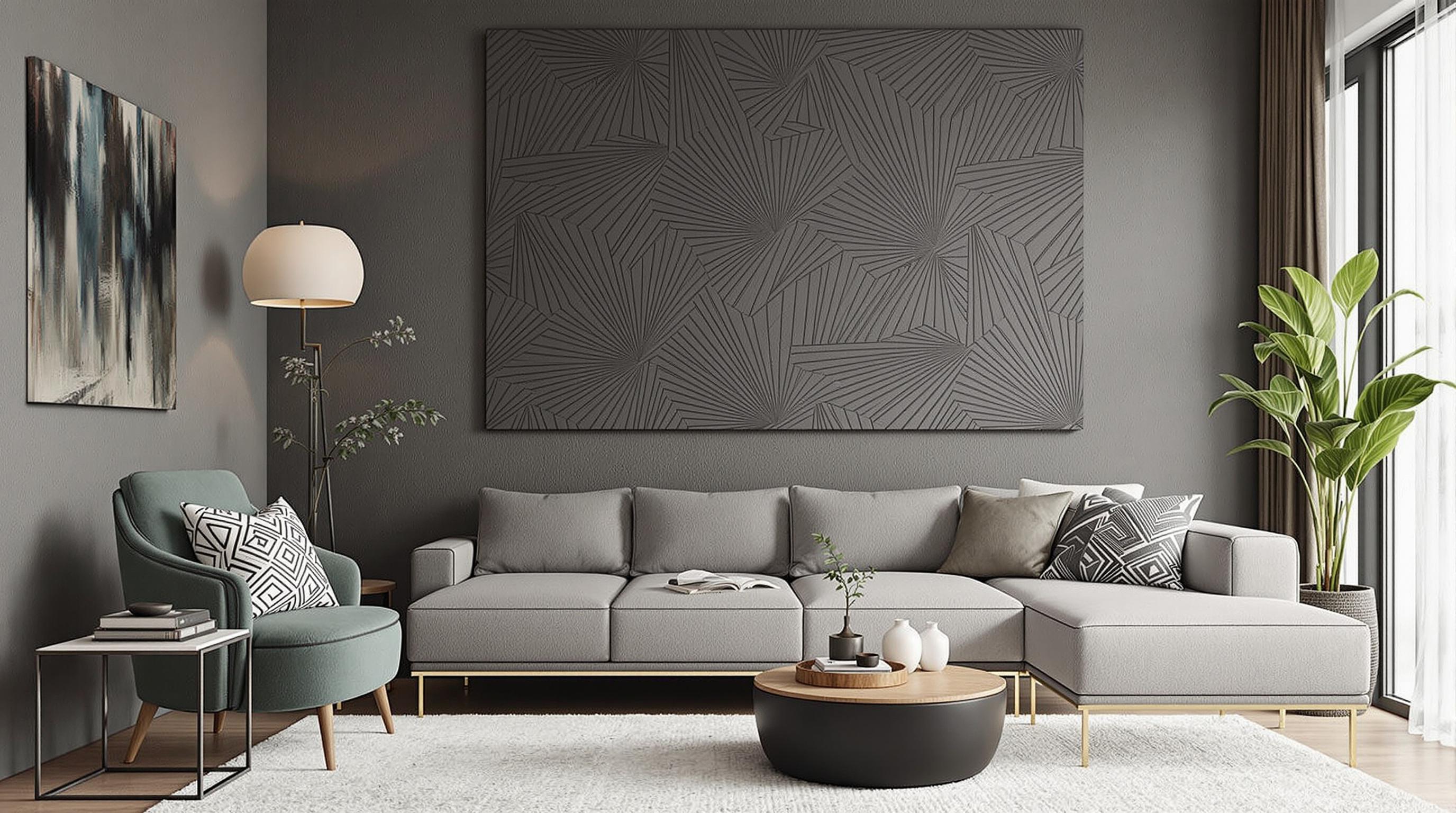
In a world where design preferences often feel binary, the concept of fusing minimalism and maximalism into eclectic living rooms provides a refreshing take on interior spaces. This article explores the harmonious blend of simplicity and exuberance, emphasizing how to create a living area that captures the essence of both styles and showcases your personality.
The Rise of Eclectic Design
There has been a notable shift in interior design trends over the past few decades. According to an analysis by the American Society of Interior Designers, around 73% of homeowners are looking for unique, personalized designs in their living spaces. The eclectic design movement, which champions mixing patterns, colors, textures, and furniture styles, is gaining traction as it allows individuals to express their distinct tastes. This movement thrives at the intersection of minimalism and maximalism, where each contributes its strength to produce settings that are not only visually appealing but also deeply personal.
A Personal Journey into Design Fusion
Picture this: a twenty-five-year-old named Jamie living in a bustling metropolis. Her living room is an extension of herself—a chaos of memories intertwined with modernity. On one wall, a sleek, white shelving unit holds a few carefully curated art pieces, while the opposite side features an iconic mid-century style sofa adorned with an array of funky throw pillows. Though it seems like a contradiction, this harmonious blend embodies Jamie’s spirit and her journey through various life phases, emphasizing the personal stories that inform a space.
Understanding Minimalism
Minimalism, with its roots tracing back to various art movements, embraces the idea of “less is more.” It relies on simplicity, clean lines, and a monochromatic palette to create calming environments. A study conducted by Princeton University found that clutter can lead to feelings of anxiety and distraction; therefore minimalist design holds an appeal for those seeking peace in their surroundings. In residential homes, minimalism promotes functionality without sacrificing aesthetics, often featuring multi-purpose furniture and spacious arrangements that evoke freedom. Think about it: does a simplistic aesthetic assist in generating a serene state of mind? Absolutely!
Maximalism: A Celebration of Abundance
On the flip side of the design coin lies maximalism, which is all about excess. Rather than stripping down, it embraces color, texture, and a variety of patterns. Smithsonian Magazine reports that maximalism has seen a resurgence not only because of its boldness but also because many homeowners have begun to reject the strict guidelines of minimalism. Maximalism is like a vibrant storybook, where every object narrates a tale or sparks curiosity. Imagine layers of fabric from different cultures, wall art that evokes travel experiences, and souvenirs that whisper stories of adventures—this is the maximalist philosophy. In fact, bringing these elements together can result in a living room that feels alive, inviting, and full of character.
Finding Balance
But how do we create a fusion that works? The key is finding a balance between the two styles, allowing one to complement the other. This may be achieved through color palettes or a strategic layout that highlights certain features without overwhelming the space. For example, maintaining a neutral base—such as soft greys or whites—can provide the perfect backdrop for vibrant maximalist accents like bold art or layered textiles. The harmony lies in the contrast, where minimalistic features allow maximalist elements to pop. It is here that one comes to realize that mixing these two worlds can result in a multifaceted living room that resonates both tranquility and vibrancy.
Layering Textures and Patterns
When venturing into the vibrant world of eclectic design, remember that mixing textures and patterns can yield stunning results. Use a combination of smooth linens and rough jute, or contrast sleek glass elements with natural woods. A study by the University of Minnesota revealed that humans inherently respond to varied textures—most find them visually stimulating and engaging. A living room that incorporates an assortment of textiles can stimulate a sensory experience that tells a variety of narratives. When clients notice a well-placed piece, you watch their eyes light up; this is how they engage with their space!
Personal Anecdotes: Home Decor Fails and Wins
Consider Sarah, a thirty-two-year-old interior designer who shared her design journey during a foodie discussion over brunch. She fondly recounted her first attempt at combining minimalism with maximalism in her living room. Determined to create a bold focal point, she painted one wall a vibrant teal, intending it to be the essence of her personality. However, her choice of the wall art was excessive, leading to a clash with the other minimalistic elements around it. After a few adjustments—like selecting a singular bold piece that highlighted the colors of her cushions—she transformed the room into a visual delight. Often it’s these missteps that lead to the most enlightening moments in design!
Statistics on Habits and Preferences
Today’s homeowners are all about personalization. A 2022 report by the National Association of Home Builders indicated that over 88% of respondents preferred their homes to reflect their personal style, favoring elements of individuality over cookie-cutter decor. It's exciting to see how homeowners are taking risks and blending styles to evoke their unique narratives within the home. When you walk through your friends' or families’ homes, it’s likely you’re just as curious about the significance behind their decorative choices as you are about how it all comes together.
Case Study: A Family's Journey
One fascinating case study involved the Turner family, who lived in Brighton. With a minimalist mother and a maximalist father, their living room became a haven for design experimentation. They began with a simple white framework—minimal furniture and airy layouts—but quickly introduced colorful fabrics, mismatched art prints, and even a vintage record player. Their home became an ongoing art project, evolving with their personalities and experiences. The result? A space that not only functioned beautifully but also carried a lifetime of memories and stories.
The Role of Nature in Design Fusion
Integrating elements of nature into your eclectic living room can remarkably balance the minimalist and maximalist traits. Biophilic design, which emphasizes human connection with nature, is found to reduce stress and increase happiness and well-being (according to a 2017 study from the International Journal of Environmental Research and Public Health). Use houseplants, natural wood, or stone features to create an inviting atmosphere within your living space. This style will soften the boldness of maximalistic elements while enhancing the room's simplicity through organic beauty.
Personal Items: What They Say About You
Imagine entering a living room adorned with items that reflect life’s moments—a unique vase from a beloved thrift store, photographs from travels framed in a playful collage, and an impressive stack of books covering every topic imaginable. These personal touches elevate the space, allowing your character to shine through. The intimate selection of artworks and artifacts embodies both minimalism and maximalism, where each piece tells a story worth sharing. As a young interior designer once told me, “Your living room should be a canvas, each item an essential splash of color in a grand masterpiece.”
Encouraging Experimentation
Perhaps what’s most invigorating about the fusion of minimalism and maximalism is the encouragement to experiment. As the famous architect Frank Lloyd Wright said, “Form follows function—that has been misunderstood. Form and function should be one, joined in a spiritual union.” Bring that same spirit into your space; consider swapping out accessories or rearranging furniture, or throw in unexpected pops of color. Making these changes often results in a room that feels fresh and open to evolution. Over time, you’ll learn what works best for you and develop a stronger sense of your design identity, combining both styles into something uniquely yours.
Maximalist Minimalism: The New Trend
Interestingly, a concept has recently emerged termed “Maximalist Minimalism.” This blends both styles, advocating for a few standout pieces that hold significance while remaining surrounded by simpler decor. The idea is to maintain clarity while also celebrating the grandeur of selected items. In simple terms, the irony is that less can indeed support more—less visual clutter can allow for one or two elaborate design elements in a room to hold maximal impact. The twist? A designer from New York recently suggested this trend could very well become the norm in the coming years, as apartments grow smaller yet individuals grew increasingly eclectic.
Handling Complications: Designing Your Space
Designing your eclectic living room does come with its set of challenges. A common issue arises when mixing styles leads to a feeling of chaos rather than cohesion. To combat that, consult your color palette. Keep a theme consistent throughout and utilize complementary colors to tie the space together. Visual aids like mood boards can serve as a blueprint, helping navigate design decisions. Eliminate items that don’t resonate with your vision—think of decluttering as an essential step rather than a limitation. After all, the goal is to evoke an emotional response, create a place of comfort, and share your identity vividly through your living room design.
The Future of Interior Design
The future of interior design increasingly leans towards embracing contrasts and combining aesthetics that feel distinct yet intentionally crafted. As consumers yearn for authenticity in their homes, the number of professionals who champion this blend of styles is also growing. Imagine walking into a space that brings warmth and energy due to its artful contrast. According to the International Federation of Interior Architects/Designers, 63% of interior designers have adopted an eclectic approach in their current projects—indicative of a shift in consumer desire towards spaces that evoke more than just order. Are you ready to join this movement and let your personality fill your living room?
As we conclude this exploration, remember that the fusion of minimalism and maximalism doesn't need to be an arduous task. With an open mind and a spirit of adventure, you can create an eclectic living room that reflects your essence and invites conversation, pleasure, and warmth. After all, it’s not just about how well things match—it’s about how they make you feel and how they narrate your journey through life. So go ahead, let your imagination and individuality flourish in your living space!
Related Articles